


Does Custom Print Quality Actually Last for Team Events?
Last Updated: November 15, 2026
Quick Summary
Custom print quality for team events lasts when the print method suits the design and the transfer is properly heat-pressed into the fabric. Cracking and peeling usually trace back to poor heat, poor pressure, or a rushed press, not the method itself. Approve a physical sample and wash-test it before committing to a bulk run.
- DTF printing handles full-colour, detailed logos and small-to-mid runs with low setup cost.
- Screen printing best suits large runs with one to three solid colours.
- Embroidery works best for polos, caps, workwear and small chest logos.
- Supply vector or high-resolution artwork, not a screenshot, so the proof matches the shirt.
- Wash one sample shirt before the event to test durability.
Table of Contents
- Why Custom Print Quality Makes or Breaks Team Event Shirts
- DTF Printing for Shirts: How the Method Holds Up at Events
- Team Shirt Design Ideas That Print Cleanly Every Time
- Custom Team Shirts: Fabric, Fit and Sizing for All-Day Comfort
- A Print-Quality Checklist for Bulk Orders and Event Deadlines
- Order Your Team's Custom Shirts
- Frequently Asked Questions
Why Custom Print Quality Makes or Breaks Team Event Shirts
Custom print quality for team events is the difference between shirts people wear for years and shirts that crack after the first wash. A print that peels or fades can turn a proud team uniform into a drawer filler.
Here's the thing nobody tells you: the shirt itself is rarely the problem. The print is.
A cheap transfer applied to a decent blank will fail long before the fabric wears out. The design lifts at the edges, the colours dull, and by the second event the shirts look secondhand. That's why print method matters more than almost anything else in a bulk order.
Below, we'll show you exactly how to choose a print method, prepare artwork, and check quality before your event deadline. But first, here's what most guides get wrong: they treat print quality as a price question when it's really a method-and-preparation question.
Watch out: ordering on price alone and skipping the sample stage is the most common way teams end up with inconsistent shirts across a bulk run.
DTF Printing for Shirts: How the Method Holds Up at Events
DTF printing for shirts is a method where a design is printed onto a film, then heat-pressed onto the garment. It handles full-colour artwork, fine detail, and small runs without the setup costs of screen printing.
For team events, that flexibility matters. A club with 30 members and a detailed logo may not want to pay for multiple screen setups.
The durability question comes down to application. A properly pressed DTF transfer bonds into the fabric rather than sitting on top of it. Cracking and peeling usually trace back to poor heat, poor pressure, or a rushed press, not the method itself.
That's why we press every order in-house and treat the print as part of the build, not an afterthought. If you want proof of how our shirts hold up, see how our custom shirts compare to a PrintLocker alternative.
DTF, Screen Printing or Embroidery: Which Suits Your Order
Each method has a clear best-fit. Use this as a starting point:
| Method | Best For | Detail Level | Setup Cost | Feel |
|---|---|---|---|---|
| DTF printing | Full-colour, detailed logos, small-to-mid runs | High | Low | Soft, flexible |
| Screen printing | Large runs, 1-3 solid colours | Medium | Higher | Slightly heavier |
| Embroidery | Polos, caps, workwear, small chest logos | Limited | Medium | Textured, raised |
Team Shirt Design Ideas That Print Cleanly Every Time
The best team shirt design ideas are bold, simple, and built for the fabric. A design that looks great on a screen can print poorly if it relies on tiny text or razor-thin lines.
Start with contrast. A strong logo on a plain background reads from across a crowd. Add the team name, event date, or a slogan in a clear font, and skip anything smaller than a few millimetres tall.
- One main graphic, not five competing elements
- Text large enough to read from a few metres away
- Solid background colours rather than busy patterns
- A design that still works in one colour for caps or totes
- Artwork supplied as a high-resolution file, not a screenshot
Matching shirts look sharpest when the design has breathing room. Cramming a logo, sponsor names, and a slogan into one small area is the fastest way to a muddy print.
Preparing Artwork So the Proof Matches the Finished Shirt
A proof is only as good as the file behind it. Supply vector artwork or a high-resolution image, and check the proof carefully before you approve it.
The approval stage is where most mistakes get caught, or missed. Check spelling, check the colours against your brand, and check that the design sits where you want it on the chest or back. Once a bulk run is pressed, there's no undo.
Ask for a physical sample on the actual garment before committing to a large order. A sample shows you the real colour and placement, not a screen rendering.
Custom Team Shirts: Fabric, Fit and Sizing for All-Day Comfort
Custom team shirts work best when the fabric suits the event and the sizing fits every member. A shirt that looks right but feels wrong won't get worn past the first hour.
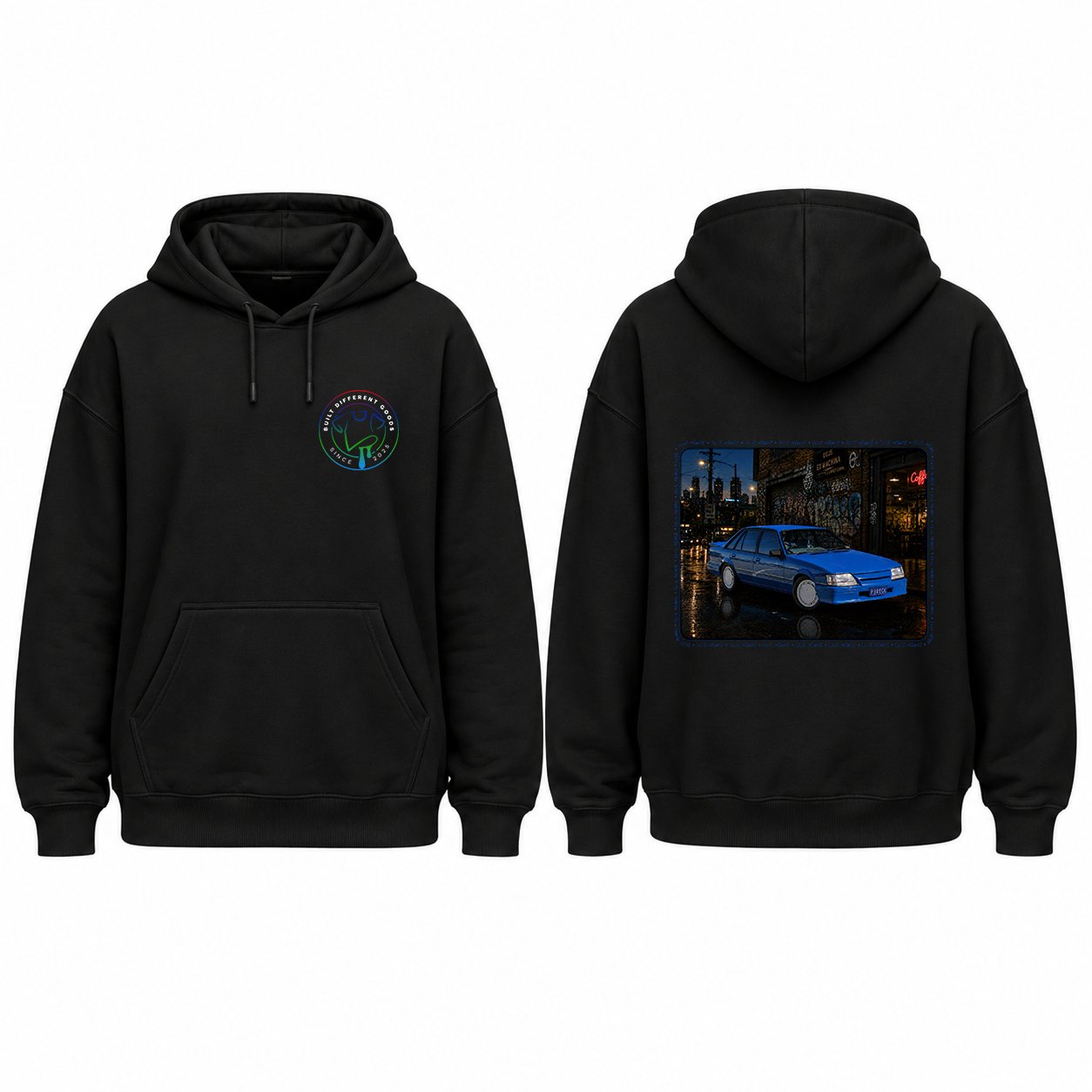
Sizing is where bulk orders often go wrong. Collect sizes from every member, and don't assume a standard cut fits everyone. If you have larger team members, check that the range goes high enough, and read our guide on finding custom apparel in size 5XL before you lock in quantities.
You can see the full custom printed graphic t-shirt range, which runs from S to true 5XL, so every member gets a genuine fit rather than a squeeze.
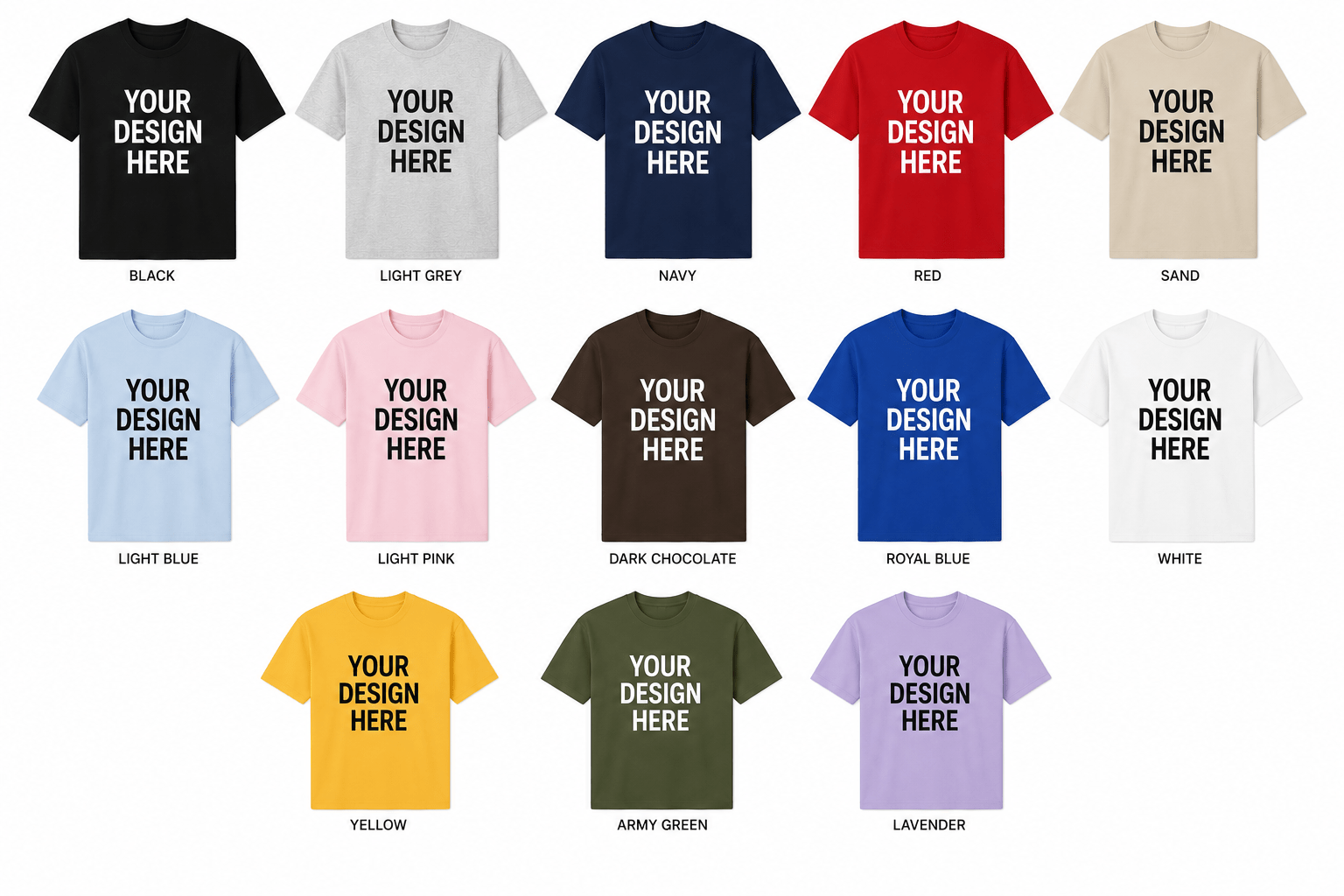
A Print-Quality Checklist for Bulk Orders and Event Deadlines
A print-quality checklist keeps a bulk order on track and on time. Run through it before you place the order, and again when the shirts arrive.
- Confirm the print method suits your design and quantity
- Approve a physical sample on the actual garment
- Check every size against a real size chart
- Confirm the production and delivery timeline against your event date
- Inspect a few finished shirts for placement, colour, and edge quality
- Wash one sample shirt before the event to test durability
Lead time is the quiet killer of team orders. Build in a buffer between delivery and your event so there's room to fix anything that arrives wrong. If you're weighing up costs and logistics, our breakdown of bulk printing costs for 10 units helps you plan before you commit.
Watch out: leaving the order to the last week removes any chance to correct a sizing or print issue.
How to Assess Print Quality Before You Approve a Bulk Order
Most guides stop at a generic checklist. But to truly protect your event, you need to know what to look for in each critical area.
Artwork resolution and file preparation
A print is only as good as the file behind it.
Colour accuracy and matching
Screen colours can look different from printed colours. Lighting also affects perception, so view the sample under different light sources. A reliable printer will discuss colour expectations upfront and may offer a pre-production sample.
Print placement and alignment
Placement errors are common in bulk orders.
Fabric compatibility and feel
Not all fabrics take all prints equally. Consider the desired hand-feel: some teams prefer a soft, invisible print, while others want a bold, slightly textured look.
Sample quality and wash testing
Inspect the print for sharpness, colour vibrancy, and edge definition. Then wash the sample according to the care instructions (typically inside out, cold wash) and check for cracking, fading, or peeling.
By following this framework, you can confidently assess print quality and avoid the most common pitfalls. Remember, the cheapest option upfront often costs more in replacements and lost team spirit.
Order Your Team's Custom Shirts
Getting print quality right comes down to method, preparation, and a realistic timeline. Nail those three and your team shirts will still look sharp long after the event.
Built Different Goods prints durable DTF designs, offers sizing from S to true 5XL, and provides individualised quotes for bulk orders. Free standard shipping applies on orders of $99 and above, with shipping across Australia.
Ready to sort your team's gear? Browse the full range of custom printed items and get your order moving with time to spare.
Your team deserves shirts that survive the event and the wash cycle after it. Built Different Goods handles custom printing for bulk orders of 10 or more, with durable DTF prints, inclusive sizing to 5XL, and fast shipping so your order lands before the deadline. Get started with Built Different Goods and kit out your team in gear that lasts.
Frequently Asked Questions
What printing method is best for team event shirts?
For most team events, DTF printing is the practical choice because it handles full-colour artwork, small runs and size ranges from S to 5XL without setup costs per colour. Match the method to your artwork, order quantity and how long the shirts need to last, then confirm the print type before you approve the quote.
How can you check custom print quality before ordering team apparel?
Ask for a physical proof or a sample shirt in the same fabric and print method as your bulk order. Check that fine text is legible, colours match your brand, and the print edge is sharp rather than fuzzy. A supplier who prints custom print quality work will be comfortable sending a sample first.
What file format should artwork be for custom shirt printing?
Supply vector files such as AI, EPS or SVG where possible, or a high-resolution PNG at 300 DPI with a transparent background. Vector artwork scales cleanly to any print size, while low-resolution images blur when enlarged. Convert all text to outlines so fonts do not change, and keep the design within the printable area. A clear file saves rework and protects your event deadline.
How should you care for custom-printed shirts so the design lasts?
Turn the shirt inside out, wash in cold water on a gentle cycle, and avoid fabric softener and bleach. Skip the dryer or use low heat, and iron on the reverse side only, never directly on the print. Pass the same care notes to your team so every shirt in the order lasts beyond the event.
